
1、 Quality inspection of cotton natural color cloth

● inspection items include internal quality inspection and external quality inspection.
● internal quality inspection includes fabric texture, width, density, and breaking strength.
● appearance quality inspection includes NEP defect rate, NEP impurity defect rate, and cloth surface defect.
Inspection of NEP defect rate and NEP impurity defect rate:
● procedure: take a sample (300) × 300) → place the sample flat on the workbench → place the glass plate (150) for appearance defect inspection × 150, with 225 squares) covered on the sample → count the number of NEP defect lattice N1 and NEP impurity defect lattice N2 → calculate the NEP defect lattice rate and NEP impurity defect lattice rate
● NEP defect lattice rate = N1 / total lattice number
● NEP impurity defect lattice rate = N2 / total lattice number
Inspection of cloth defects
● Clothes defects refer to various defects on the fabric.
● cloth surface defects of cotton natural color cloth include:
1、 Meridional obvious defects
- Warp break: the warp yarn in the fabric is broken.
- Warp shrinkage: some warp yarns are woven into the cloth in a relaxed state, making the surface of the fabric undulating and uneven in block or strip shape.
- Reed path: the warp direction of the fabric is strip-shaped, sparse and uneven.
- Yarn sinking: the warp is not interwoven with the weft according to the fabric structure, but floats up and down the weft.
- Warp hanging: the tension of some warp yarns in the fabric is too large.
- Tight warp: some warp yarns are too twisted.
In addition, there are coarse warp, double warp, wrong fiber, wrong reed threading, needle path, etc.
2、 Zonal obvious defect - Double weft and hundred feet: the weft yarn fails to stop after breaking, and the cloth surface structure is damaged due to lack of weft, forming a double weft with two weft yarns at the shed on the plain fabric; Twill and satin fabrics form hundreds of feet.
- Weft shedding: there are 3 or more weft yarns in one shed.
3、 Rung
Rung defect refers to the defect of uneven weft arrangement on the fabric surface caused by poor loom performance and improper operation. - Crease: the fuzzing mark left on the cloth surface after removing the cloth.
- Sparse weft, dense road and cloud weaving: a section of fabric with less dense weft is called sparse weft, a section with more dense weft is called dense road, and a section with thin and dense weft is called cloud weaving.
4、 Serious defect - Damaging defects: such as holes, jumping (three or more warp and weft yarns do not interweave with each other and float on the cloth surface), etc.
- Sundry defects: such as flying flowers, silk return, oil flower, leather metal and other sundries woven into the cloth.
2、 Quality inspection of printed and dyed cotton
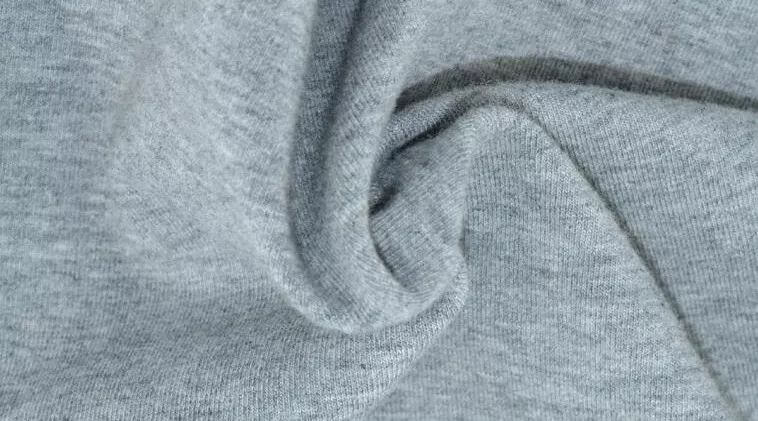
● the rating is based on pieces, which are divided into excellent products, first-class products, second-class products, and third-class products, and those lower than third-class products are substandard products.
● inspection items include internal quality and external quality inspection.
● the internal quality inspection is evaluated by the items of fabric density, square meter weight, piece length, width, breaking strength, breaking elongation, shrinkage, tear strength, colorfastness, etc.
● the appearance quality inspection shall be based on the defects such as uneven dyeing, dyeing streaks, rungs, jumping flowers, and oil stains, and shall be graded by the evaluation score in combination with the scoring standard.
● after the internal quality and appearance quality are rated respectively, the lowest grade shall be taken as the grade of the cloth.
3、 Quality inspection of wool fabrics
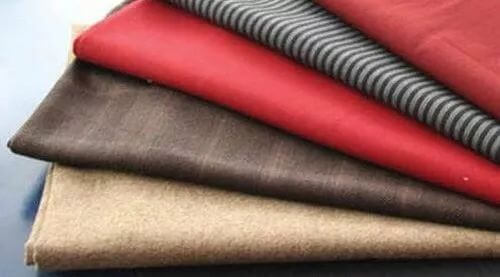
● inspection items include internal quality and external quality inspection.
● internal quality inspection includes physical quality, physical properties, color fastness, and other items.
● external quality inspection includes local defects (longitude and latitude) and scattered defects (longitude and latitude).
Various rating methods
● quality comparison with the sealed sample.
● physical properties: multiple
● color fastness: multiple
● defect inspection: multiple items
4、 Quality inspection of silk fabrics
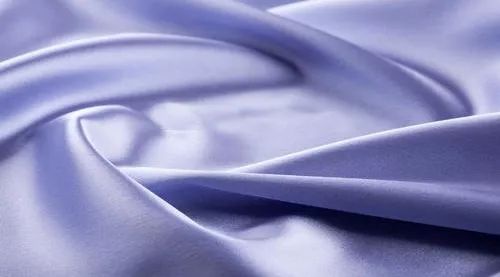
● inspection items includes internal quality and external quality inspection.
● internal quality inspection includes piece length, width, warp and weft density, square meter weight, breaking strength, size change rate, and color fastness.
● external quality inspection includes hand feeling, pattern, color inspection, and appearance defect inspection.
5、 Quality inspection of knitted fabrics
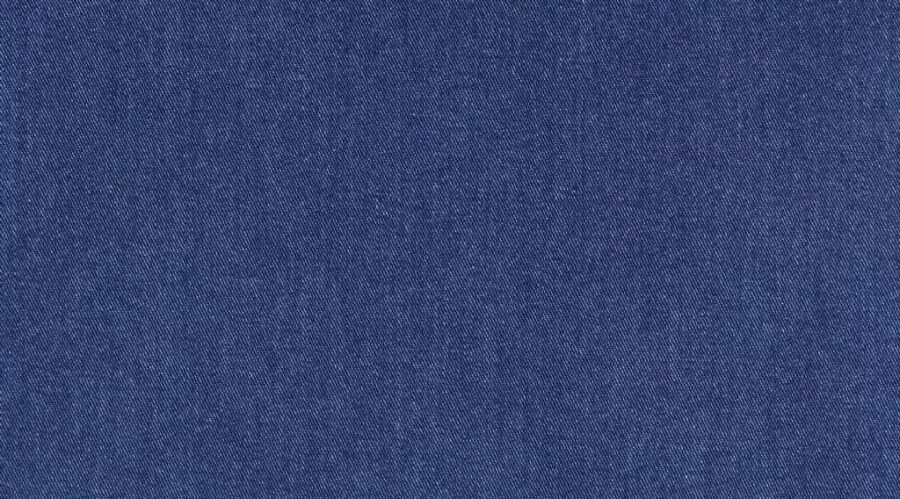
Quality inspection of cotton knitted underwear
● inspection items includes internal quality and external quality inspection.
● internal quality inspection includes square meter weight, bursting strength, shrinkage, and colorfastness.
● external quality inspection includes surface defects, specification and dimensional tolerances, and their own dimensional differences.
Quality inspection of woolen sweater
● inspection items includes internal quality and external quality inspection.
● internal quality inspection includes fiber content, weight deviation of a single piece, bursting strength, joint strength, pilling, colorfastness, etc.
● external quality inspection includes surface defects, specification, dimensional tolerance, self dimensional difference, etc.
Quality inspection of cotton knitted fabrics
● inspection items includes internal quality and external quality inspection.
● the internal quality inspection is mainly the weight deviation of a square meter;
● appearance quality inspection mainly includes surface defects (number of defects / piece, meter / defect, code / defect).
Related Article
Rare earth heating fibers
Textile fabric width control
Several types of regenerated fibers that are easily confused.
Read moreSeveral types of regenerated fibers that are easily confused.
Key technologies for double-sided circular knitting machine needle plate calibration
Read moreKey technologies for double-sided circular knitting machine needle plate calibration
How a Circular Knitting Machine Releases and Lowers the Fabric (Shake-down Process)
Read moreHow a Circular Knitting Machine Releases and Lowers the Fabric (Shake-down Process)