
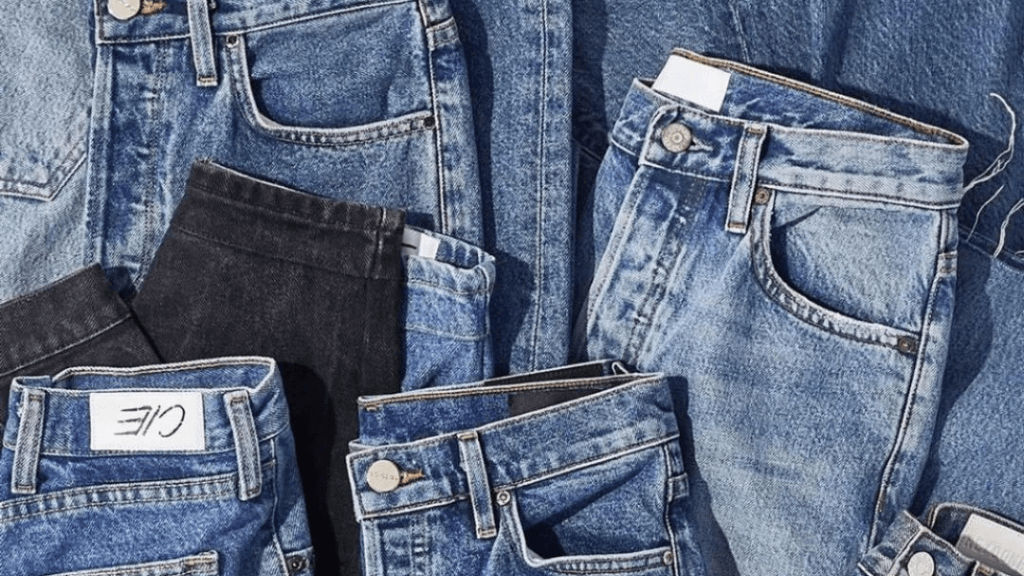
First of all, we have to distinguish the difference between knitting and woven. The most obvious difference between woven and knitted is: woven is made of warp and weft, so there are two directions of warp and weft. Knitting is made of a loop that is continuously barbed, so it has a certain elasticity. As for the hand feel, it is affected by a series of yarn counts, weaving methods, and finishing. But usually knitted fabrics are softer to the touch. For example, the underwear and sweaters we wear are all representatives of knitted fabrics. The suits, shirts, jeans we wear are all woven fabrics. Summer tops, in addition to shirts and chiffon, are basically knitted T-shirts, and woven is generally used for coats, shirts, and pants.
Knitting yarn requirements
01
The yarn has a certain strength and extensibility so that it can be easily bent into loops during the weaving process.
02
For short fiber spinning, the twist should be uniform and smaller. If the twist is too large, it is easy to cause yarn kinks and defects on the cloth surface.
03
The evenness of the yarn is uniform and the yarn defects are less. Uneven yarns are easy to form shadows or cloudiness on the knitted fabric surface, thick knots or details, and produce defects on the fabric surface.
04
The surface of the yarn should be smooth, the friction coefficient is small, and the softness is good.
Weaving yarn requirements
01
Weft yarn requirements: The tension of the weft yarns during the weaving process is relatively small, and the requirements for the weft yarns are basically the same as those for knitting yarns, that is, certain elasticity and softness, and low twist.
02
Warp yarn requirements: During the weaving process, the warp yarns are subjected to very high tension. Warping and sizing are done before weaving to give the yarn better strength and a smoother appearance. High strength and twist.
01
Same point
Before dyeing, the knitted denim yarn and the woven denim yarn are actually ordinary cotton yarns (ie greige yarns), and the production process is the same.
02
difference
Woven denim yarn has a higher twist than knitted denim yarn. In fact, in layman’s terms, it means that the woven denim yarn is harder.
The evenness requirement of knitted denim yarn is higher than that of woven denim yarn.
Knitted denim yarn does not have a sizing process, while woven denim yarn needs to go through sizing. (A notable feature of denim is warp sizing and dyeing) Sizing actually increases the hardness of the yarn, which in turn increases the hardness of the cloth, so there will be a desizing process later.
Because the technical requirements of knitted denim yarn are usually higher than that of woven denim yarn, knitted denim yarn is also more expensive than woven denim yarn, and knitted denim fabric is naturally more expensive than woven denim fabric. Of course, this is also related to the equipment and difficulty of producing knitted denim. After all, knitted denim is new to woven denim.
Related Article
Rare earth heating fibers
Textile fabric width control
Several types of regenerated fibers that are easily confused.
Read moreSeveral types of regenerated fibers that are easily confused.
Key technologies for double-sided circular knitting machine needle plate calibration
Read moreKey technologies for double-sided circular knitting machine needle plate calibration
How a Circular Knitting Machine Releases and Lowers the Fabric (Shake-down Process)
Read moreHow a Circular Knitting Machine Releases and Lowers the Fabric (Shake-down Process)